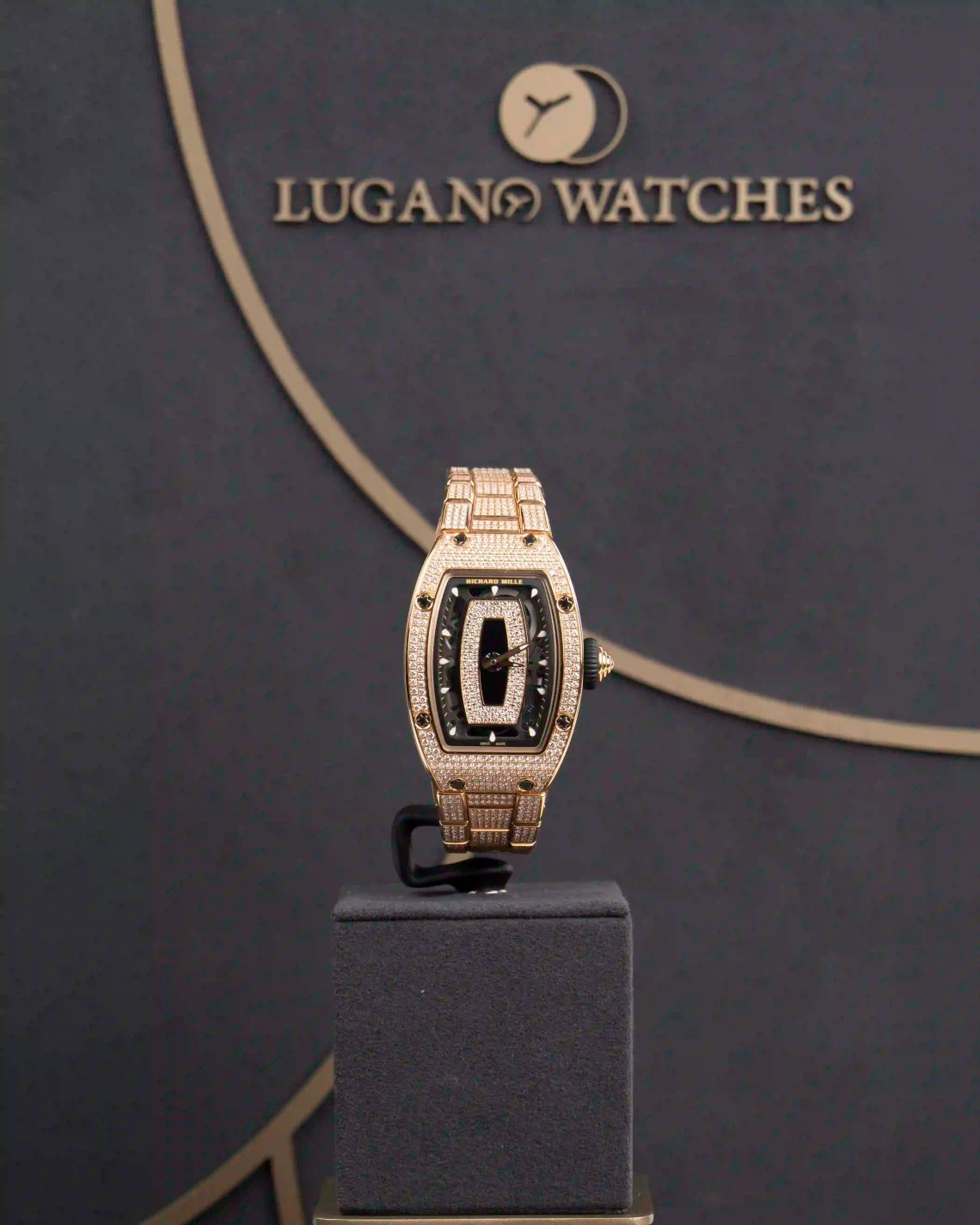
Quartz crystals and precious metals still glitter under display lights, yet a different kind of value now ticks beneath the surface. Collectors ask tougher questions about material origins and production ethics. This shift redefines what prestige means in modern horology.
Responsible sourcing and ecological manufacturing are quickly becoming new markers of true excellence. The finest timepieces now marry heritage with accountability inside any reputable luxury watch boutique.
Recycled precious metals:
Traditional mining leaves deep scars on landscapes. The industry now turns to recycled gold and platinum for cases and bracelets. These reclaimed materials offer the same luster and purity as newly mined ores. Refining processes have advanced to guarantee zero quality loss during recycling. This approach reduces environmental destruction without compromising the final product’s beauty. Each watch carries the same weight of value with a lighter footprint on the earth.
Ethical leather alternatives:
Classic watch straps have long depended on exotic animal hides. Responsible producers now adopt plant-based and lab-grown leathers. These materials mimic the texture and durability of traditional calfskin or alligator hide. Innovative fibers from apple peels and cactus leaves create supple, long-lasting bands. The resulting straps age gracefully and develop a unique patina over time. This change pleases customers who value both style and compassionate craftsmanship.
Solar energy integration:
Mechanical movements have dominated for centuries, yet solar technology offers a clean power solution. Photovoltaic cells hidden beneath dials capture light to run quartz mechanisms indefinitely. This eliminates battery waste and the need for regular replacements. Solar-powered models maintain exceptional accuracy without consuming finite energy resources. The technology continues improving, with cells becoming smaller and more efficient each year. These watches represent a practical marriage of tradition and renewable innovation.
Transparent supply chains:
Raw material origins now receive the same scrutiny as movement finishing. Manufacturers publish detailed reports about mining partnerships and factory conditions. Blockchain technology tracks each component from source to assembly. Customers scan QR codes to view a watch’s complete ethical journey. This openness builds trust between makers and their discerning clientele. Accountability has become a non-negotiable feature of modern luxury production.
Extended product lifespans:
Repair and restoration now take priority over planned obsolescence. Brands design movements with modular components that allow easy servicing. Interchangeable parts reduce waste when individual elements wear down. Manufacturers offer extended warranties and free maintenance programs. These policies encourage owners to cherish their timepieces for generations. Longevity stands as the ultimate sustainability statement in a disposable world.